Bep van Klaveren
- 3
- Gold
- 1
- Silver
- 4
- Bronze
This digital experience explores the Olympic Games of Amsterdam 1928. Through defining moments, remarkable athletes and archival material, we bring the energy of the Games back to life and reveal how their ideas, traditions and legacy continue to shape Amsterdam and the Olympic world today.
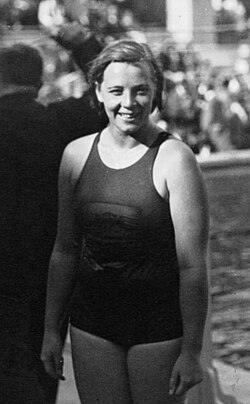
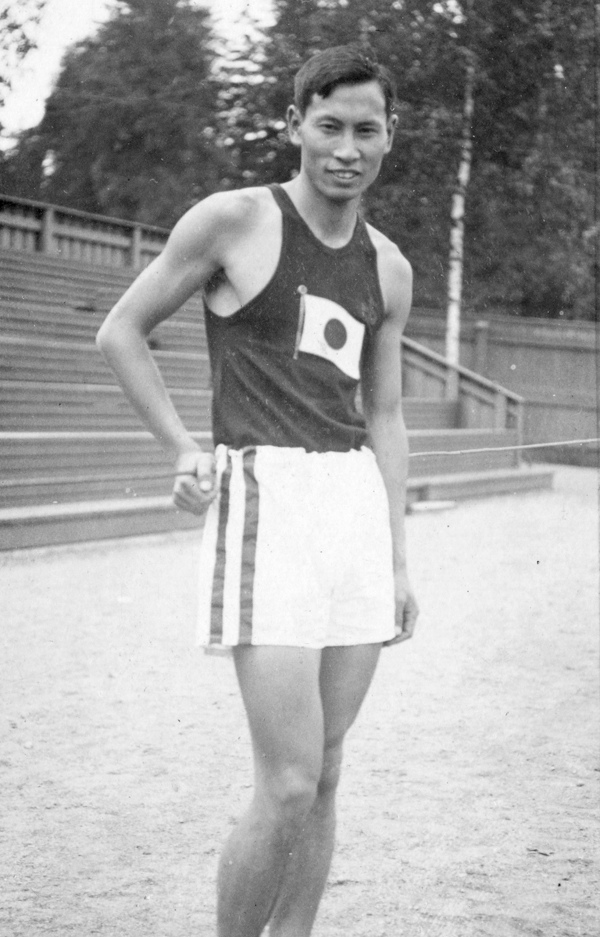
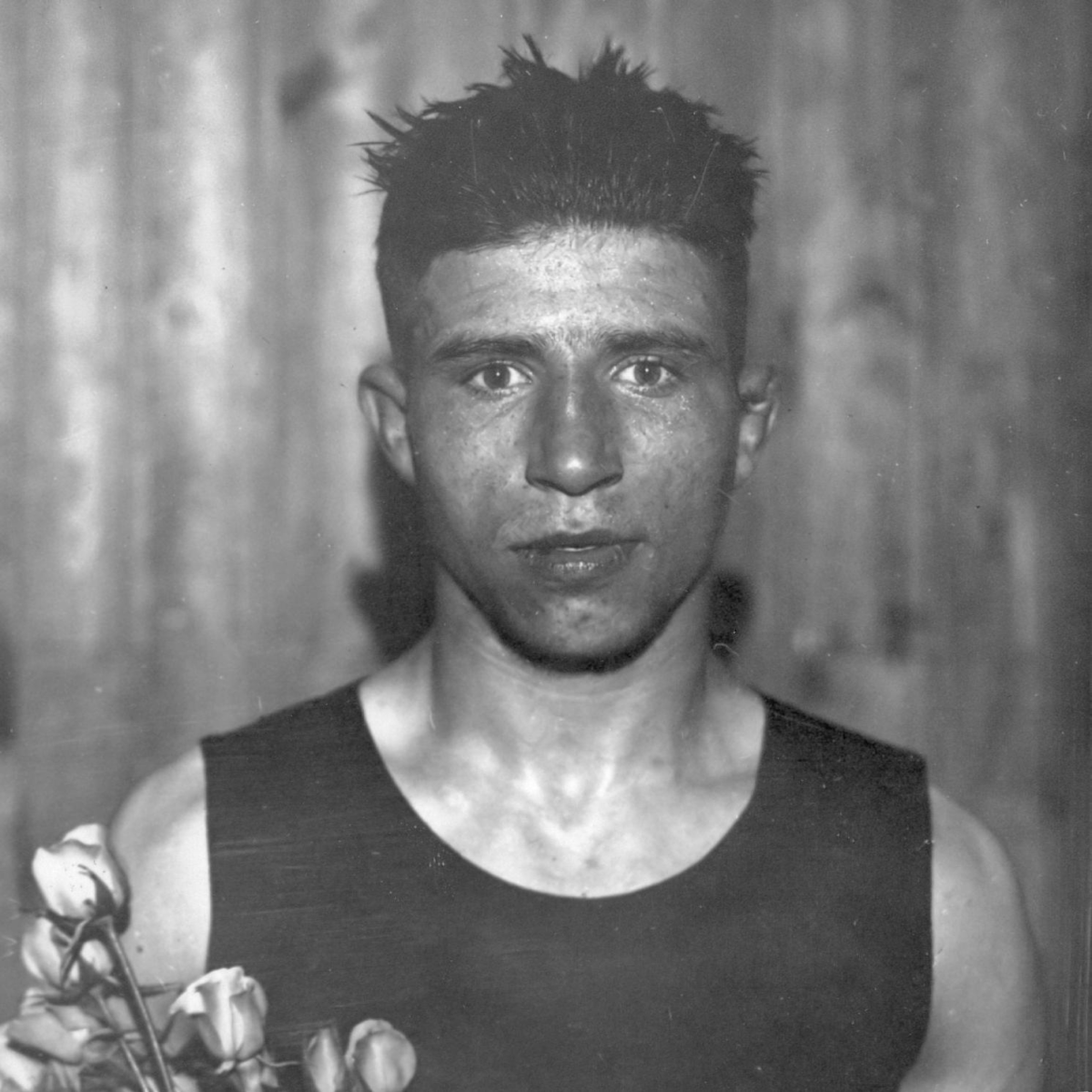
Amsterdam droomde al jaren van de Olympische Spelen. Maar toen de stad de organisatie eindelijk kreeg toegewezen, was lang niet iedereen enthousiast. Er waren twijfels over de kosten, religieuze bezwaren en politieke weerstand.
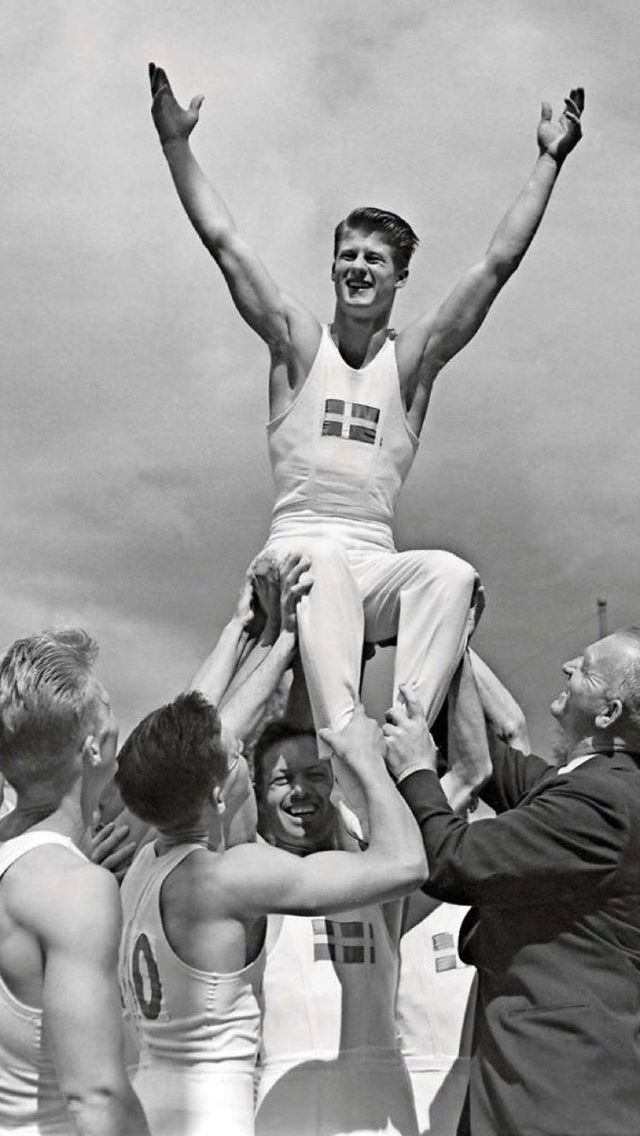
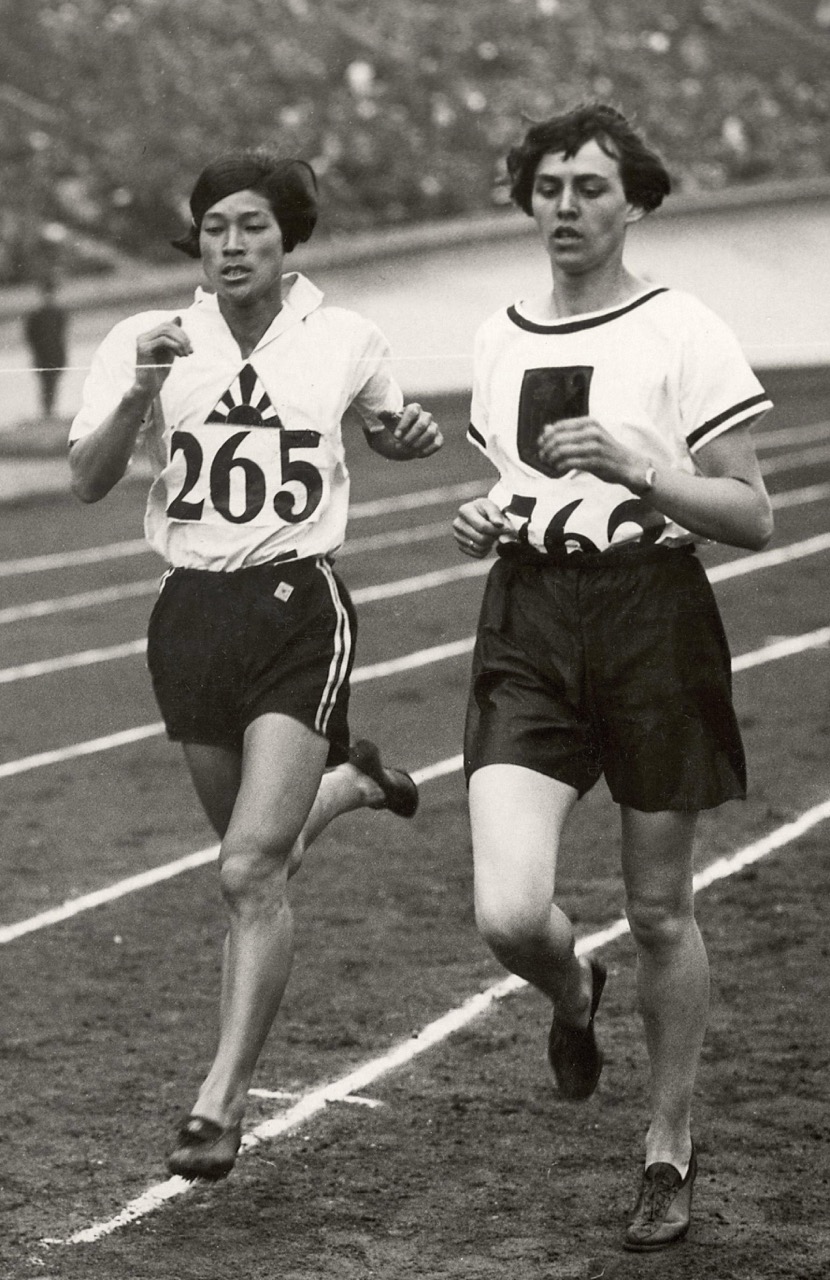
Bijna 3.000 sporters deden mee aan de spelen in Amsterdam.
Bijna 3.000 sporters deden mee aan de spelen in Amsterdam.
Bijna 3.000 sporters deden mee aan de spelen in Amsterdam.
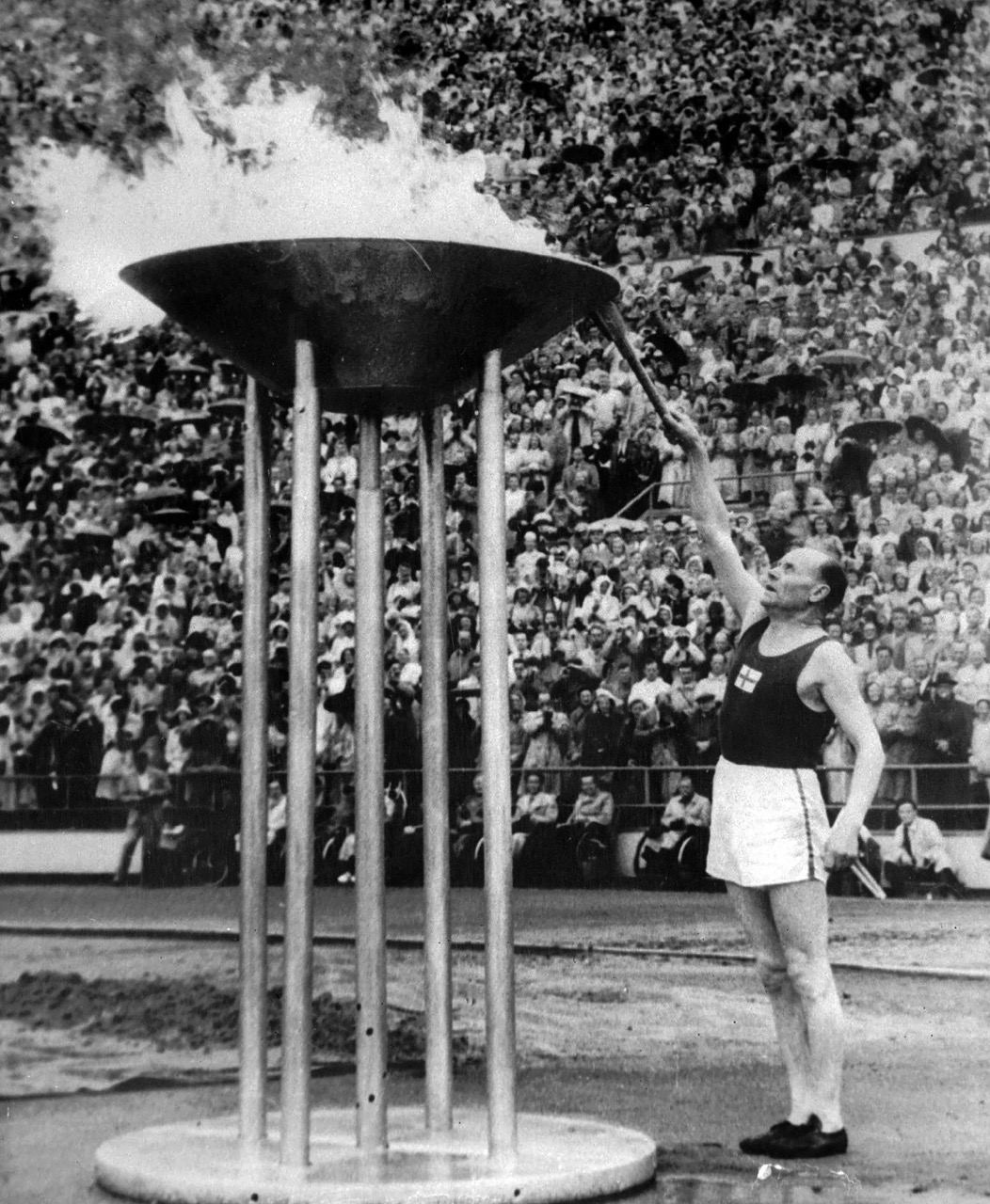
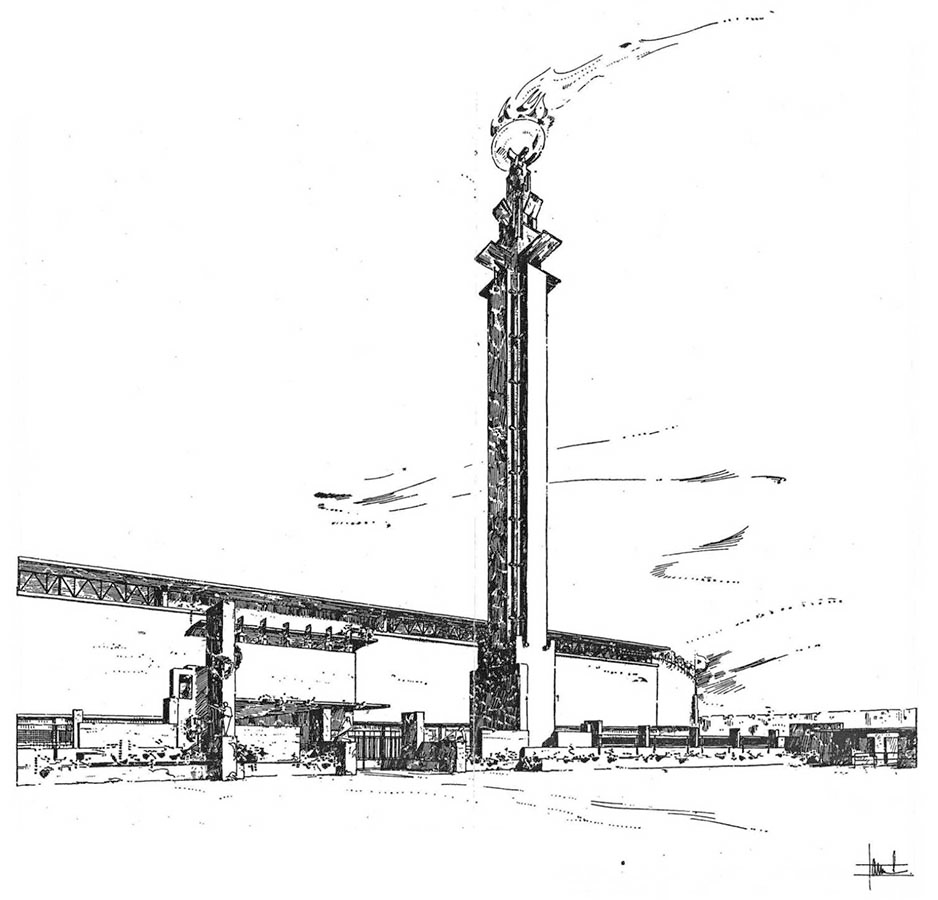
Geen fakkeltocht, beroemde atleet of grootse ceremonie. Tijdens de opening van de Spelen van 1928 ontstak een onbekende medewerker van het Amsterdamse gasbedrijf met een lucifer het vuur op de 46 meter hoge Marathontoren. Het was de eerste keer dat bij de moderne Olympische Spelen een olympisch vuur brandde. De fakkeltocht vanuit Olympia werd pas acht jaar later geïntroduceerd.
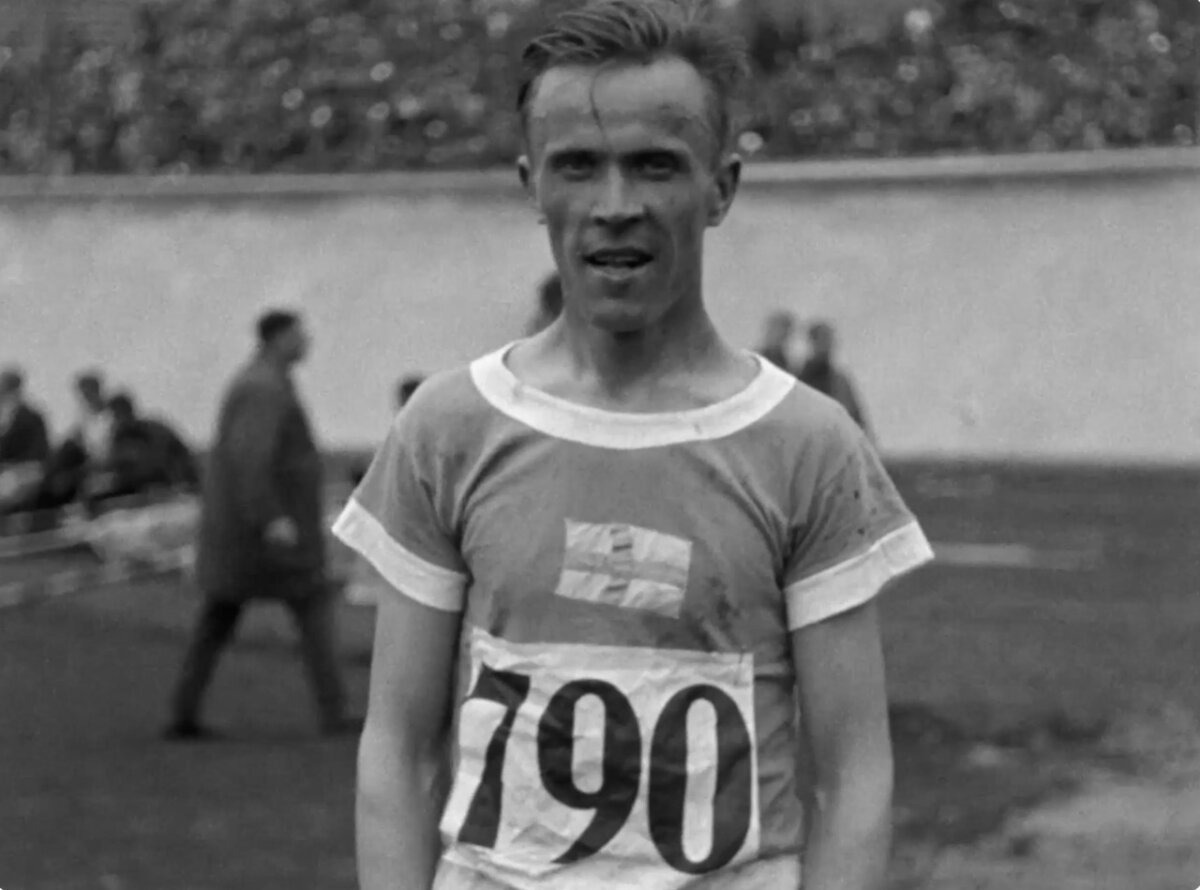
Amsterdam was the final Olympics for Paavo Nurmi and Ville Ritola of Finland, closing out one of the most dominant chapters distance running has ever seen.
In a rowing quarter-final, Australia’s Henry Pearce stopped mid-race to let a family of ducks pass single file in front of his boat, then carried on to win the heat, and eventually, gold.
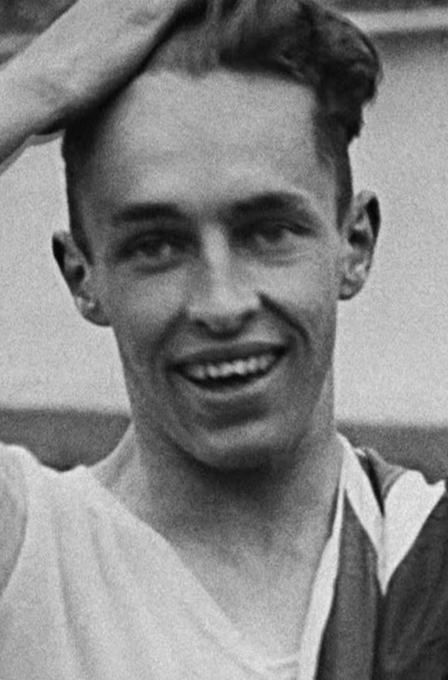
India’s men opened a run of six straight Olympic hockey golds, while Hungary’s sabre fencers began a streak of seven consecutive team titles. Both started in Amsterdam.
On the track, the United States won just three of twelve possible running golds (its poorest showing to date), while Canada’s Percy Williams swept both the 100m and 200m.